Sustainable Serenity: Designing Eco-Conscious Outdoor Spaces Feb 13, 2026
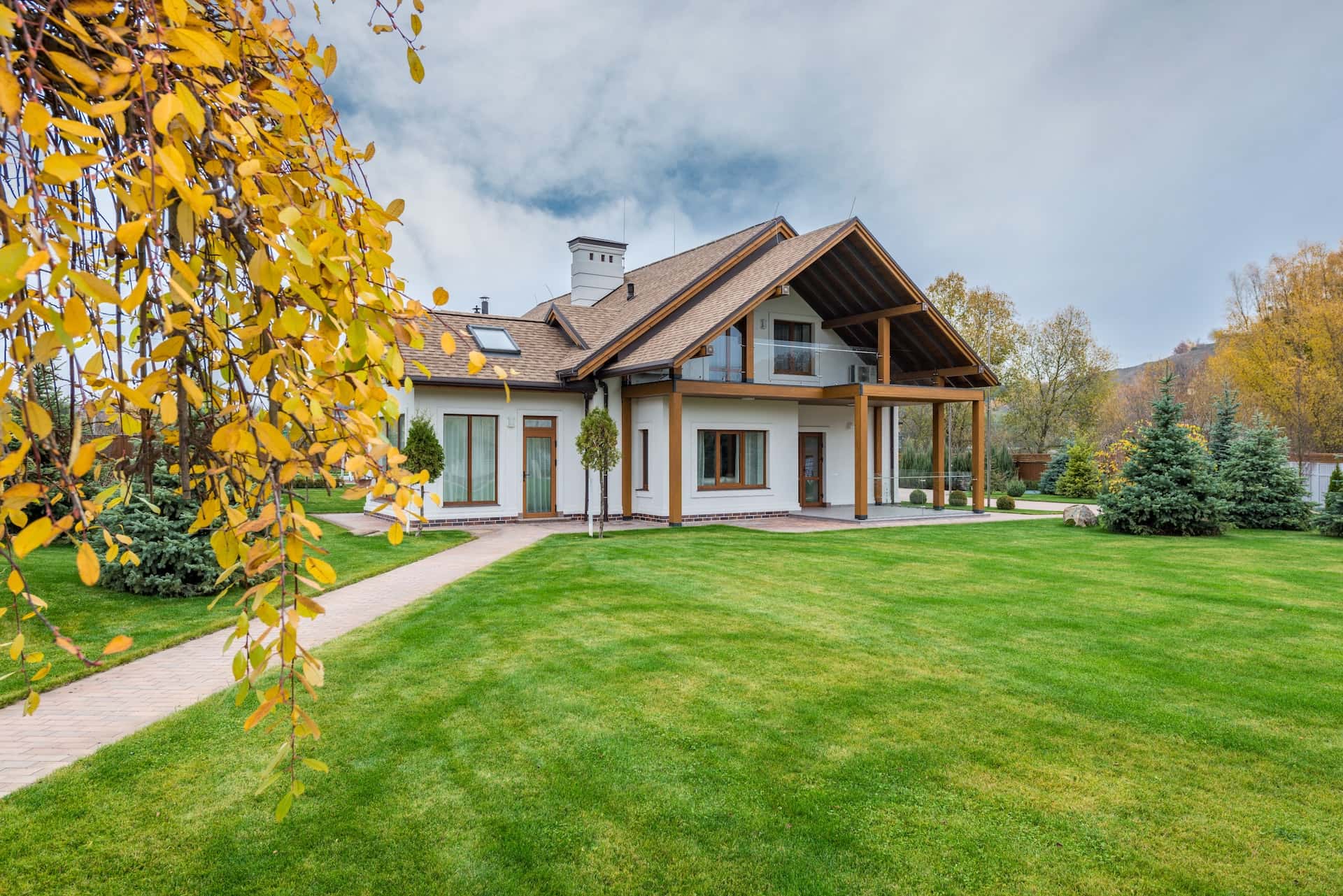
Creating a sustainable garden is an art that requires a thoughtful approach to design and plant selection. The first step in this journey is to assess the local environment. Understanding the local climate, soil type, and native plant species is crucial. This knowledge allows for the creation of a garden that thrives naturally and requires minimal intervention, reducing the need for artificial irrigation and fertilizers. By choosing native plants, you encourage biodiversity, providing habitats for local pollinators and wildlife.
Water management is another vital component of sustainable landscape design. Implementing rain gardens or installing rain barrels can significantly reduce water waste by collecting runoff to water plants. Drip irrigation systems are another excellent option, delivering water directly to the plant roots, thus minimizing evaporation and ensuring efficient water use. These methods not only conserve water but also reduce utility bills, offering a win-win for both the environment and your finances.
The use of sustainable materials cannot be overlooked when designing an eco-friendly outdoor space. Recycled and reclaimed materials for hardscaping projects, such as pathways and patios, add character and uniqueness to your landscape while reducing the demand for new resources. Permeable paving options are also recommended, as they allow rainwater to seep into the ground, reducing stormwater runoff and promoting groundwater recharge.
Integrating edible gardens into your landscape is another exciting aspect of sustainable design. Growing your own fruits, vegetables, and herbs not only reduces your carbon footprint but also provides fresh, organic produce right at your fingertips. Raised garden beds or vertical planters maximize space and can be customized to suit any garden size, making them a versatile solution for those keen on sustainability without sacrificing style or practicality.
While the initial investment in sustainable features can seem daunting, the long-term savings and environmental benefits are substantial. A well-designed eco-friendly garden not only reduces maintenance costs and resource consumption but can also increase property value. More importantly, it contributes positively to the global effort in conserving our planet's finite resources.
Finally, consider the maintenance practices employed in your garden. Opt for organic fertilizers and pest control methods to keep your plants healthy without harming beneficial insects or contaminating the soil. Regular mulching helps retain soil moisture and suppresses weeds, further reducing the need for chemical interventions.
Incorporating these strategies outlined by Landscape Design & Lawncare can transform your backyard into a tranquil, sustainable paradise. With an emphasis on eco-friendly practices, you not only create a space of beauty and serenity but also contribute to the preservation of our natural world. Whether you are starting from scratch or enhancing an existing landscape, embracing sustainable design ensures that your outdoor space remains a testament to both luxury and responsibility for generations to come.
/filters:no_upscale()/filters:format(webp)/media/380927a3-6216-4e99-a19a-1b648dd68add.jpeg)
/filters:no_upscale()/filters:format(webp)/media/5f97a301-bb1a-4335-8952-938b7b33fc1c.jpeg)