Maximize Curb Appeal: Strategic Landscaping Tips for Front Yard Transformations Mar 28, 2026
Begin by assessing the current layout of your landscape. Understanding existing features and limitations is crucial before diving into any front yard transformation. Consider the climate, soil type, and sunlight exposure, as these factors will influence plant selection and placement. Evaluate any permanent fixtures like trees or structures that might affect your design choices. This initial step ensures that your efforts yield a thriving, cohesive landscape.
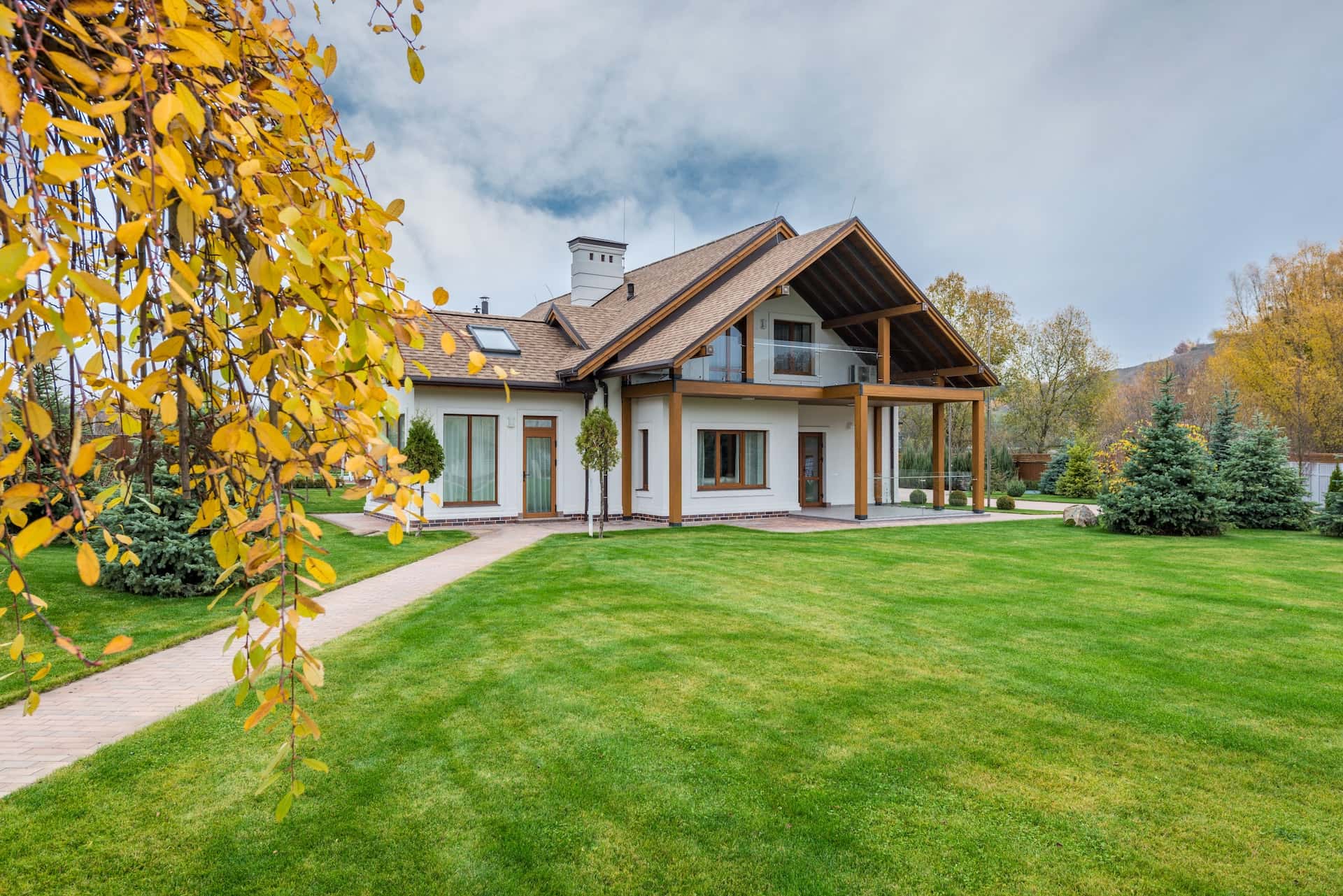
Once you've evaluated your space, draw up a plan that balances aesthetics with functionality. Prioritize pathways, as they guide visitors from the street to your door and define the space. Consider using natural stone or brick to create a welcoming path that seamlessly integrates with the natural environment. This sturdy and elegant choice not only enhances aesthetic appeal but also provides practical longevity.
Incorporating layers of plantings is another key strategy for a striking landscape. Planting in layers adds depth and variety to your garden design. Start with low-growing plants in the foreground, and work your way up to taller ones in the back. Choose a variety of textures and colors to create visual interest throughout the year. Evergreens provide year-round structure, while flowering plants and shrubs can introduce vibrant seasonal pops of color.
The choice of plants is crucial not only for beauty but also for ease of maintenance. Native plants are often ideal as they are well-adapted to the local climate and soil, making them hardier and more drought-resistant. Incorporating these into your landscape can reduce water and fertilizer needs while supporting local wildlife, such as hummingbirds and butterflies.
Don't overlook the power of edging to achieve a polished and tidy look in your garden. Using materials such as stone, wood, or metal to define borders between lawns, flowerbeds, and pathways clarifies landscaping intentions and helps prevent the spread of grass and weeds.
Lighting is an often underestimated aspect of landscape design that can dramatically enhance curb appeal. Strategically positioned lighting serves both practical and aesthetic purposes. It guides guests safely along pathways, highlights architectural features, and creates an inviting environment after sunset. Consider solar-powered options for an eco-friendly touch that saves on energy costs.
As you implement these strategies, it's important not to sacrifice sustainability for style. Integrate water-saving techniques, such as drip irrigation systems, to efficiently water your gardens and reduce resource use. Composting organic waste is another way to enrich the soil naturally while reducing your ecological footprint.
Finally, always keep in mind the principle of synergy. Your home and landscape should work together to create a unified and inviting atmosphere. Whether through matched architectural features, complementary color schemes, or shared material palettes, maintain a cohesive design to amplify the overall impact of your efforts.
In conclusion, transforming your front yard into a space with high curb appeal requires thoughtful planning and effective execution. By utilizing pathways, diverse plantings, native vegetation, well-placed lighting, and sustainable practices, you can achieve a gorgeous front yard that not only speaks to your personal taste but also boosts your property's charm and market value. Reach out to the experienced team at Landscape Design & Lawncare for personalized advice tailored to your unique property needs, ensuring your front yard transformation is a successful and enduring one.
/filters:no_upscale()/filters:format(webp)/media/380927a3-6216-4e99-a19a-1b648dd68add.jpeg)
/filters:no_upscale()/filters:format(webp)/media/5f97a301-bb1a-4335-8952-938b7b33fc1c.jpeg)