Harmonizing Hardscapes and Softscapes: Creating Cohesive Outdoor Environments Mar 02, 2026
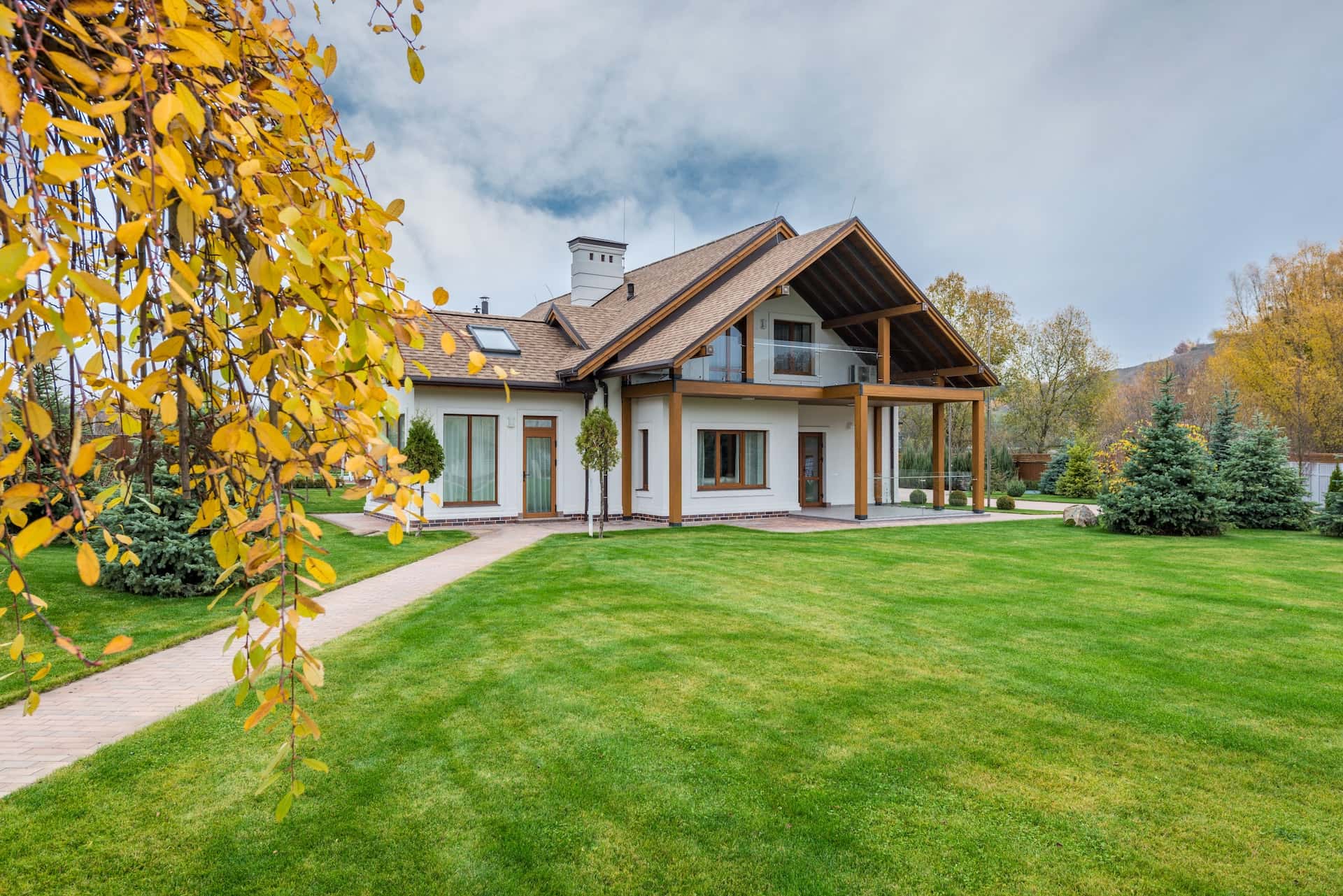
Understanding the basic elements is crucial. Hardscapes refer to the non-living features such as patios, walkways, and retaining walls, while softscapes encompass the living components like grass, flowers, shrubs, and trees. Balancing these elements requires thoughtful planning and precise execution to create an inviting and sustainable outdoor area.
To start with, consider how different textures and colors can complement each other. A stone pathway intricately woven through a lush garden (the softscape) can add depth and interest. Choosing materials that naturally blend with your landscape increases not just the aesthetic appeal but also the holistic ambiance of the outdoor area.
One of the core elements in harmonizing hardscapes and softscapes is finding the right focal points. For instance, a well-placed water feature or a fire pit can serve as a central hub, drawing attention and encouraging interaction. Surrounding these structures with strategically placed plants or flower beds can soften hard edges and create a seamless flow from one section of your yard to another.
Next, evaluate the function of each space. Hardscapes like patios make perfect zones for social gatherings or quiet relaxation. When bordered with layered plantings or seasonal flowers, these areas become serene retreats. Softscapes provide shade, privacy, and ecological benefits, making them essential to your landscape’s structure. Integrating native plants not only supports local wildlife but also reduces maintenance and watering needs, promoting a sustainable environment.
Temperature and light dynamics can also significantly influence your design choices. For example, where sunlight is abundant, drought-tolerant plants can flourish alongside lighter-colored hardscape materials that reflect heat. Conversely, shaded gardens can be elevated with cooler tones and textures, adding diversity and richness to the setting.
Moreover, consider accessibility and maintenance. In designing walkways or driveways, using permeable materials can improve drainage and reduce runoff, protecting the softscape from erosion. Opt for plant species that require minimal maintenance but still provide year-round interest. This balance minimizes the upkeep while maximizing the beauty and utility of the space.
Finally, personalize your landscape with elements that reflect your style and preferences. Whether it’s whimsical garden art, custom-built stone terraces, or an elaborate mix of herbaceous plants, these personal touches make your outdoor space unique. The team at Landscape Design & Lawncare can offer professional insights and creative solutions tailored to your vision, ensuring every element complements the other.
In conclusion, the synergy between hardscapes and softscapes is best achieved through a thoughtful blend of design, functionality, and personal aesthetics. By working closely with experienced professionals, you can create a landscape that not only enhances your home’s curb appeal but also provides a sanctuary of peace and beauty. From concept to completion, thoughtfully considering each aspect will lead to a cohesive outdoor environment that is as practical as it is pleasing. With proper planning and a keen eye for detail, your dream landscape is well within reach. Let Landscape Design & Lawncare be your partner in crafting an outdoor oasis that truly reflects the harmony of nature and structure.
/filters:no_upscale()/filters:format(webp)/media/380927a3-6216-4e99-a19a-1b648dd68add.jpeg)
/filters:no_upscale()/filters:format(webp)/media/5f97a301-bb1a-4335-8952-938b7b33fc1c.jpeg)