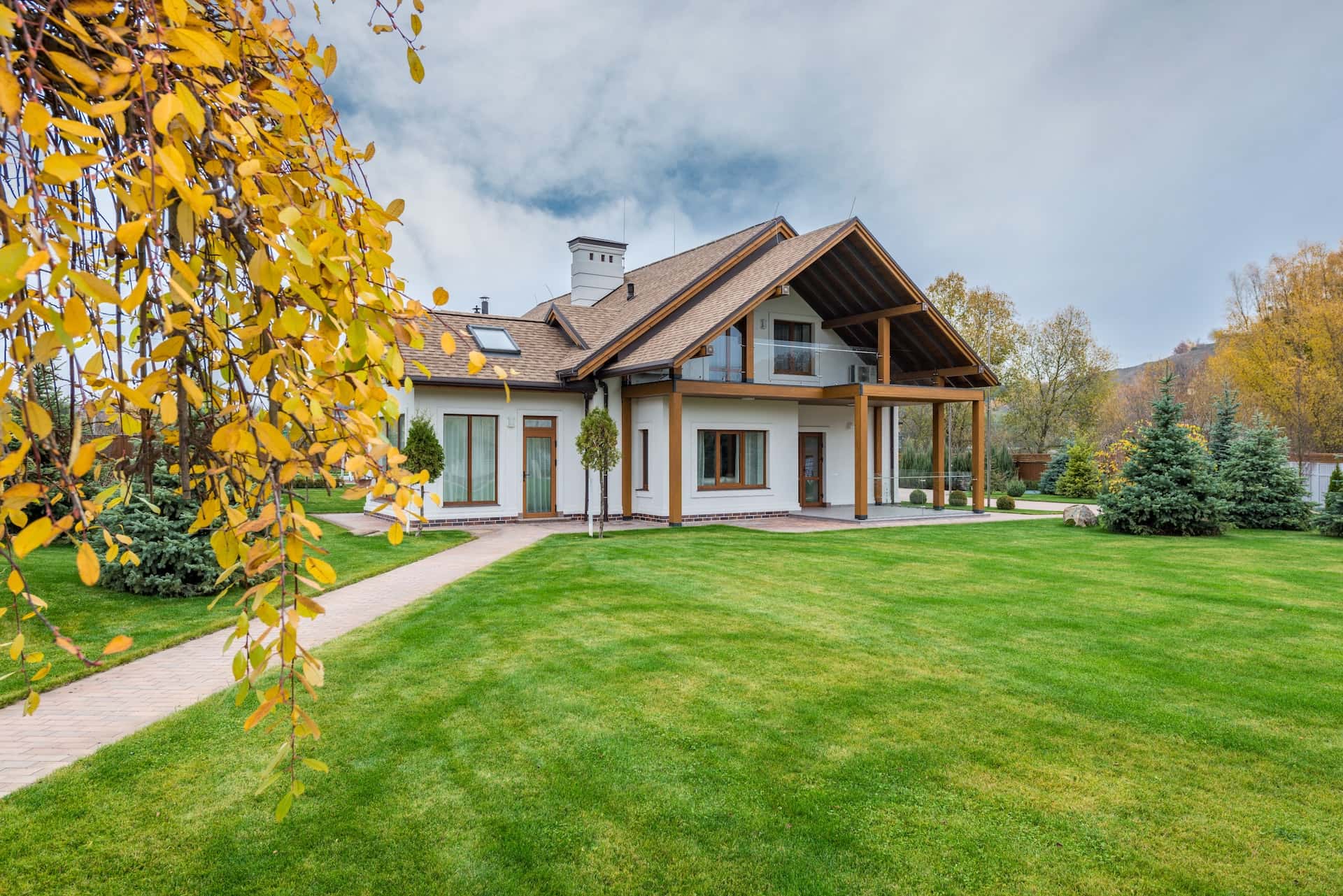
From Soil to Sky: Elevating Your Garden with Multi-Tiered Planting Designs Dec 19, 2025
Multi-tiered planting involves arranging plants at varying heights and layers to create depth and interest. At its core, this method mimics nature's own layering found in forests and meadows. By adopting this technique, you can maximize the use of space, create a vibrant ecosystem, and introduce a dynamic visual element to your garden.
The first step in implementing a successful multi-tiered planting design is planning. Begin by envisioning how you would like your garden to look. Consider factors such as the size of your garden, the types of plants you prefer, and the climate of your region. Determining these elements early will inform your plant choices and arrange them effectively.
Once you have a plan, it's time to think about structure. Divide your garden into sections, starting from the ground cover layer and moving upwards to the tallest points. Ground cover plants like creeping thyme or moss create a lush carpet and help with soil erosion. The second layer might include low shrubs or foliage plants, bringing color and texture. The middle tier is ideal for perennials like lavender or salvia, providing both blossoms and aroma. Finally, consider adding taller plants, such as ornamental grasses or small trees, to frame your garden and draw the eye upward.
Incorporating vertical elements is another essential dimension of multi-tiered planting designs. Vertical gardens, arbours, or trellises allow you to utilize vertical space effectively and introduce climbing plants that can soften walls or fences. Think of passionflower, honeysuckle, or clematis to add bursts of color and fragrance.
One undeniable advantage of multi-tiered planting is its ability to create microclimates within your garden. This layering effect helps regulate temperature and moisture, providing a more stable environment for plants. The variety in plant size and type also supports biodiversity, attracting beneficial insects and birds, thus fostering a thriving garden ecosystem.
Maintaining your multi-tiered garden requires attention to plant health and arrangement. Regularly trim and prune plants to ensure each layer receives adequate sunlight and airflow. Additionally, keep an eye on soil quality, as nutrient-rich soil supports the diverse range of plants you will be growing. Address pest and disease issues promptly to maintain the health of all garden layers.
Incorporating multi-tiered planting designs into your landscaping offers a sophisticated way to maximize visual impact and functional space. Whether you’re aiming for a serene, meditative garden or a bustling, wildlife-friendly habitat, this approach can fulfill all your landscape aspirations.
At Landscape Design & Lawncare, our team of experts is committed to bringing your garden visions to life. We understand that each garden is unique and tailor our services to meet your specific needs. From initial planning to ongoing maintenance, we are your partners in creating a multi-tiered landscape that not only reaches skyward but also enriches your living space.
As you embark on this delightful garden transformation, remember that patience and creativity are your best tools. With thoughtful planning and design, you can enjoy a garden that blooms with beauty and vibrancy across every tier.
/filters:no_upscale()/filters:format(webp)/media/380927a3-6216-4e99-a19a-1b648dd68add.jpeg)
/filters:no_upscale()/filters:format(webp)/media/5f97a301-bb1a-4335-8952-938b7b33fc1c.jpeg)