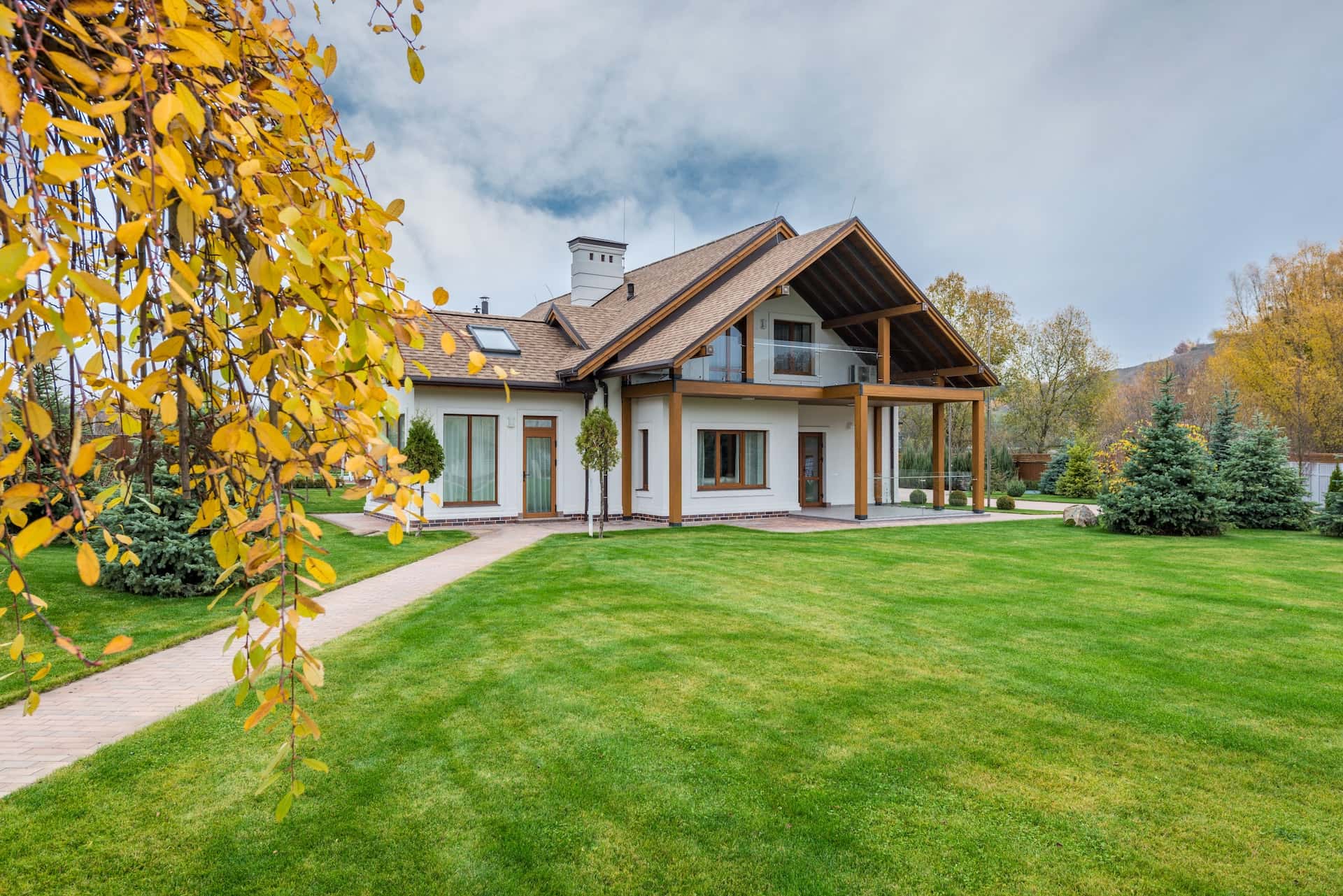
Embracing Nature's Palette: Using Color Theory in Landscape Architecture Feb 15, 2026
As a homeowner looking to transform your outdoor space into a vibrant oasis, you may want to consider the principles of color theory as your guiding force. With its ability to influence emotions and create harmony, understanding and implementing color theory can elevate your garden to new heights. At Landscape Design & Lawncare, our expertise in landscaping and hardscaping services ensures we bring your vision to life, blending art with nature for stunning results.
Understanding Color Theory in Landscaping
Color theory in landscape architecture revolves around the use of color to create visual interest and evoke certain feelings within a garden setting. It is about understanding the relationships between colors and how they can be used to complement each other. This includes analyzing the color wheel, which is divided into primary, secondary, and tertiary colors. Primary colors are red, blue, and yellow; secondary colors are combinations of two primaries, such as green, orange, and purple; tertiary colors are blends like red-orange or blue-green.
The Importance of Complementary Colors
One effective way to enhance your garden's aesthetic is through complementary colors. These are pairs of colors that sit opposite each other on the color wheel, such as red and green or blue and orange. Using these in your landscape design can make certain plants pop, providing a striking contrast that draws the eye and creates vibrant energy. For example, consider planting coreopsis with blue asters, where the bright yellow and deep blues will create a harmonious yet dynamic look.
Creating Balance with Analogous Colors
For a more serene atmosphere, analogous colors can be your best friend. These are groups of colors located next to each other on the color wheel, such as green, blue-green, and blue. The subtle shift between these shades can create a sense of unity and tranquility, especially when applied to large sweeping plant beds or ground cover areas. A garden filled with varying shades of purple, such as lavender, violets, and deep plum, can instill calm and relaxation.
Using Warm and Cool Colors
Colors can also be categorized as warm or cool, each setting a different mood. Warm colors like reds, oranges, and yellows tend to energize and make spaces feel more intimate and inviting. In contrast, cool colors such as blues, greens, and purples can create a sense of openness and calm, making a garden feel more expansive. Strategically placing plants with warm colors near seating areas can enhance comfort and social interaction, while cool colors can be positioned as a backdrop, bringing depth and tranquility.
Your Landscape Design Partner
At Landscape Design & Lawncare, understanding the nuances of color theory allows us to tailor a landscape design that reflects your personality while harmonizing with your home's architecture. Our team of experts can guide you in selecting the perfect palette, considering the light conditions and seasonal changes to maintain your garden's charm throughout the year.
Conclusion
By embracing nature's palette through color theory, you can create an outdoor haven that not only looks stunning but also provides an emotional connection to your surroundings. Whether you're looking to craft a lively, vibrant space or a peaceful retreat, the principles of landscape design and color theory can be pivotal. Contact Landscape Design & Lawncare today to start planning your color-infused garden masterpiece, where nature's beauty meets unparalleled craftsmanship.
/filters:no_upscale()/filters:format(webp)/media/380927a3-6216-4e99-a19a-1b648dd68add.jpeg)
/filters:no_upscale()/filters:format(webp)/media/5f97a301-bb1a-4335-8952-938b7b33fc1c.jpeg)