Creating Tranquil Spaces: The Role of Softscaping in Relaxation Zones Dec 20, 2025
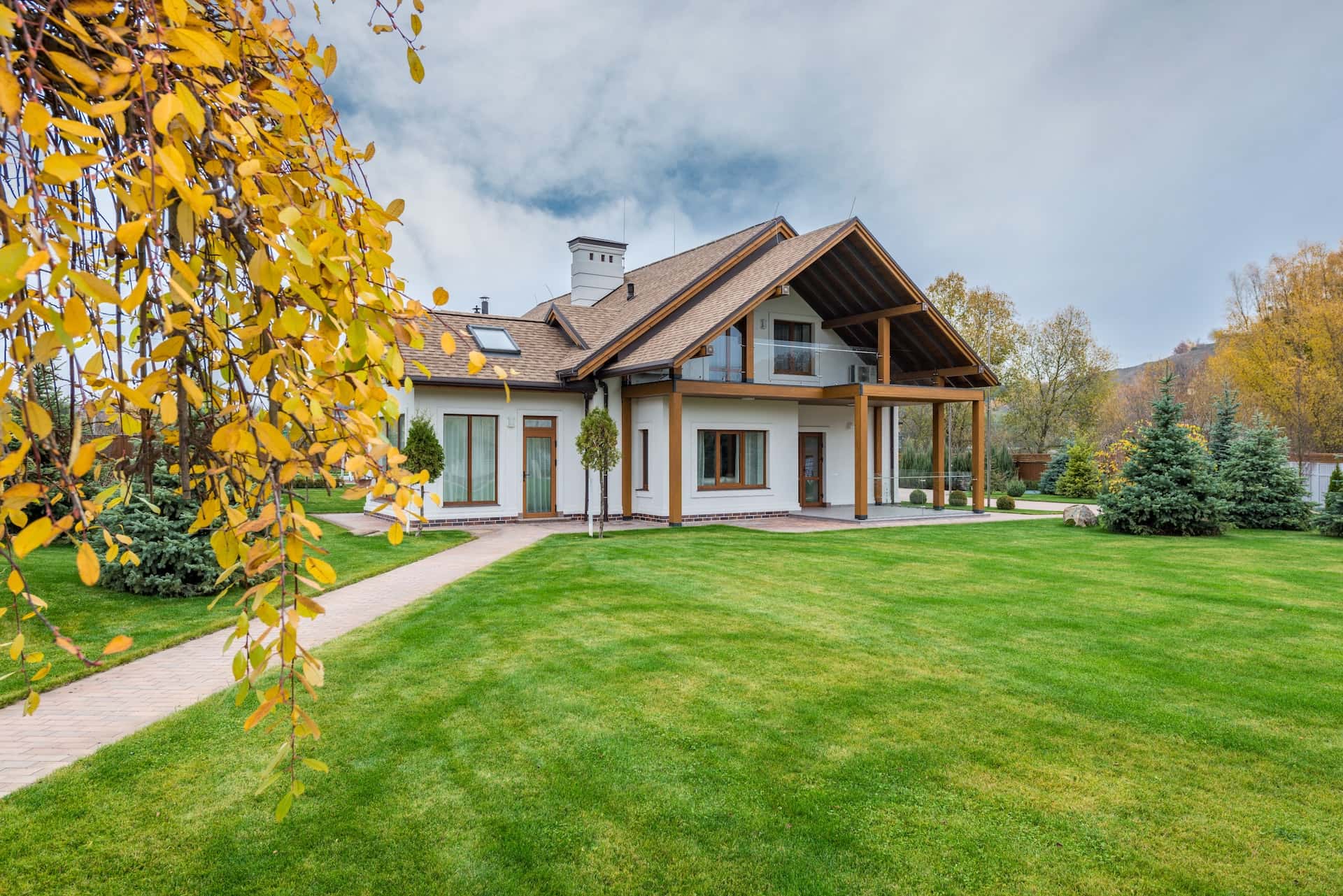
Softscaping refers to the living components of your landscape, contrasting with hardscaping, which includes patios, walkways, and structures. While hardscaping lays the foundation, softscaping adds life, movement, and texture. The right combination of these elements can transform a typical yard into a sanctuary.
One of the primary benefits of softscaping is its ability to cultivate a sense of peace and relaxation. The gentle sway of grasses, the fragrance of blooming flowers, and the lush greenery of well-chosen plants can create a sensory experience that calms the mind and rejuvenates the spirit. This transformation starts with a thoughtful design, where balance is key. Incorporating a variety of plant sizes, colors, and textures helps to engage the senses without overwhelming them.
When planning your relaxation zone, consider plants that thrive in your local climate, as they will require less maintenance and water, further fostering a stress-free environment. Native plants are often the best choice, seamlessly integrating with the natural ecology and providing habitat for local wildlife. This choice not only supports environmental stewardship but also creates a natural symphony of birdsong and the quiet hum of insects, enhancing the peaceful atmosphere.
Creating layers is crucial in softscaping. Begin with taller trees or large shrubs to provide vertical interest and shade. This not only offers protection from the sun but also defines the space, creating cozy nooks for seating areas. Under these canopies, place medium-sized bushes that add volume and structure. Finally, layer in flower beds with seasonal blooms to provide bursts of color throughout the year, offering a dynamic and ever-changing landscape. This strategic layering not only builds visual appeal but also gives each plant the opportunity to thrive in its specific niche.
The choice of plant material can significantly impact the tranquility of the space. Opt for plants known for their soothing attributes, such as lavender or chamomile, whose scents are popular for promoting relaxation and reducing stress. Additionally, the subtle rustling of ornamental grasses in the breeze can mimic the sound of soft rain or flowing water, contributing to a more meditative atmosphere.
Incorporating softscaping in your relaxation zones also supports mental health. Nature has been shown to reduce stress and increase overall well-being, making it an essential component in personal wellness strategies. By regularly spending time in landscaped environments, individuals can experience decreased anxiety and improved mood.
Concluding your journey to creating a tranquil outdoor space with softscaping, remember that the design should reflect your personal tastes and lifestyle. Whether you prefer a minimalist aesthetic or a lush, botanical retreat, the expertise of Landscape Design & Lawncare can tailor your garden to meet your needs. By embracing the dynamic and nurturing properties of softscaping, you can cultivate a retreat that not only inspires relaxation, but also promotes a harmonious coexistence with nature.
For further guidance on creating your personal sanctuary, reach out to our team at Landscape Design & Lawncare. Let's design the perfect softscape for your relaxation zone, enhancing your home with peace and beauty.
/filters:no_upscale()/filters:format(webp)/media/380927a3-6216-4e99-a19a-1b648dd68add.jpeg)
/filters:no_upscale()/filters:format(webp)/media/5f97a301-bb1a-4335-8952-938b7b33fc1c.jpeg)