Beyond Green: Innovative Plant Combinations for a Unique Landscape Aesthetic Apr 07, 2026
To start with, consider implementing color contrast to breathe life into your garden. Planting bright blooms alongside foliage with darker leaves can create a visually striking effect. For instance, pairing vibrant red tulips with dark green boxwood hedges can add depth and dimension to your garden while bringing a pop of color. This combination not only enhances your landscape but also ensures that different elements of your garden complement and contrast beautifully.
Incorporating different textures is another powerful technique you can use to achieve an innovative landscape design. Mixing plants with varying leaf sizes and surface textures can add layers to your garden's aesthetic. Ornamental grasses, with their wispy forms, juxtaposed against broad-leafed hostas, create an interesting interplay of textures that captivates the eye. Experimenting with textures allows your garden to appear more natural and less uniform, giving it an organic beauty.
In addition to color and texture, you'll want to consider plant height when creating your landscape design. Incorporating plants of varying heights can lead to a more dynamic and engaging garden. Tall perennials, like delphiniums or hollyhocks, can serve as eye-catching focal points, while low-growing flowers like creeping thyme form a lush ground cover. This tiered approach not only adds visual interest but also maximizes space effectively.
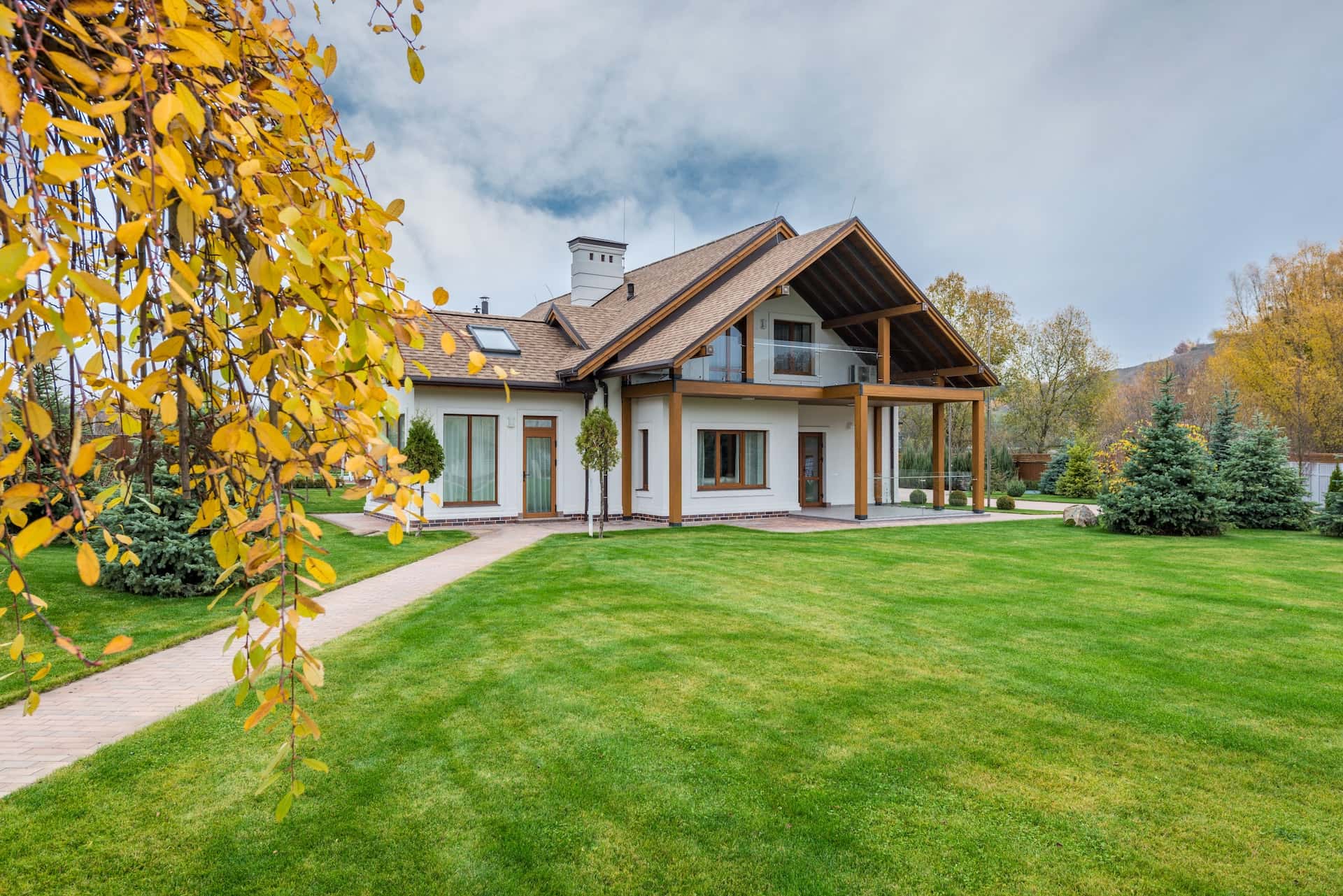
When planning your innovative landscape aesthetic, don't overlook the role of evergreens. Their year-round foliage provides consistent color and texture, creating a steady backdrop against which seasonal plants can stand out. Evergreens such as junipers or firs can be strategically placed to form natural borders or privacy screens, adding to your garden's structure. This element serves a dual purpose by creating a lush landscape that remains vibrant even in winter months.
To further enhance your landscape, consider integrating edible plants that not only serve as food sources but also beautify your garden. Vertical gardening techniques, using climbing vegetables or espalier fruit trees, make excellent use of space while adding an edible element to your garden design. The blossoms of fruit trees and the vibrant greens of vegetables can seamlessly blend with ornamental plants to produce a functional and attractive garden.
Finally, sustainability is becoming an increasingly important consideration in modern landscape design. Incorporating native plants that thrive in your local climate reduces the need for excess watering or artificial pesticides, creating a self-sustaining and environmentally friendly garden. Native plants tend to attract local pollinators like butterflies and bees, which can enhance your garden's health and biodiversity.
Innovative landscape design is about more than just adding plants to your yard; it's about crafting an outdoor experience that is aesthetically pleasing and ecologically sound. By focusing on color, texture, height, and sustainability, you can create a garden that stands out year-round. Whether you're a landscaping novice or a seasoned green thumb, these plant combinations offer endless possibilities to transform your outdoor space into a unique, vibrant, and functional landscape.
In conclusion, innovative plant combinations are essential for crafting a landscape that is both unique and aesthetically pleasing. By experimenting with color, texture, height, and sustainable practices, you achieve not just a beautiful garden, but a personal oasis that reflects your style and values. Start envisioning your new landscape today, and discover how small changes can lead to a stunning transformation.
/filters:no_upscale()/filters:format(webp)/media/380927a3-6216-4e99-a19a-1b648dd68add.jpeg)
/filters:no_upscale()/filters:format(webp)/media/5f97a301-bb1a-4335-8952-938b7b33fc1c.jpeg)